

Tighten electrical terminals to the torque specified on the equipment or in the manufacturer’s instructions. 2020 NEC 110.14(D) requires an approved means of reaching that value. “Good and tight” is not a torque specification, and there is no single torque setting for every breaker or lug.
Watch Victor explain electrical termination torque
Victor shows where to find torque requirements and why the connection details matter. Use the instructions for your exact equipment when applying the lesson.
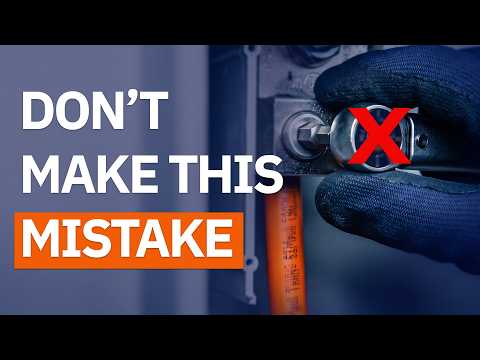 Watch Victor explain electrical termination torqueWatch the existing JCR lesson on YouTube
Where do you find the torque value?
- On the breaker, connector, terminal or equipment label.
- In the installation instructions for the exact catalog number.
- From the manufacturer when the label or instructions are missing.
Read the complete entry. A value may depend on conductor size, terminal type or connection location. Also check the permitted conductor material and how many conductors the terminal accepts. Torque does not make an incompatible conductor acceptable.
What counts as an approved means?
The 2020 NEC torque provision recognizes methods such as torque tools and manufacturer-designed shear-bolt or breakaway devices that show when the specified torque has been reached.
Use the specified method and a tool suitable for the required range. Follow the tool’s calibration and operating instructions. Do not substitute a guessed setting or assume a standard screwdriver provides a verified torque.
Learn to apply NEC connection rules
Turn lessons like this into test-day skills. Find the rule, work the calculation and practice with JCR’s mock exam questions.
Live classes teach the 2020 NEC. Check your state’s exam requirements before choosing a course. NC prep includes NC business and law. For another state, also study any business-and-law material required for your license. JCR also carries the 2020 NEC softbound code book.
Already licensed? Earn your CE with JCR
Choose in-person classes, live Zoom or recorded courses. Review NEC navigation, grounding and bonding, and other electrical topics. Check the course’s NEC edition, state approval and credit hours before enrolling.
See CE courses and class datesInch-pounds and foot-pounds are different
1 foot-pound = 12 inch-pounds. Read the units before setting the tool.
Practice example: if the instructions specify 36 lb-in, that equals 3 lb-ft. Setting a tool to 36 lb-ft would apply twelve times the specified value. This is a unit-conversion example, not a recommended setting for a particular device.
Three mistakes to avoid
- Choosing torque by wire size alone. Use the actual terminal instructions.
- Adding another quarter-turn after reaching the value. Follow the manufacturer’s procedure. Extra tightening is not automatically better.
- Confusing temperature and torque. A 75°C terminal rating affects conductor ampacity. It does not tell you how tightly to turn the screw.
Practice the temperature side with our ampacity correction guide. For job-site preparation, review working-space requirements.
Common questions
Does the 2020 NEC require a torque wrench for every connection?
It requires the specified torque to be achieved by an approved means. A torque screwdriver, suitable wrench or an approved manufacturer-designed connection system may be appropriate. Match the method to the equipment.
What if I cannot find the torque value?
Get the correct installation instructions or contact the manufacturer. Do not borrow a value from a similar-looking breaker.
Should I retighten every existing connection?
Follow the equipment’s maintenance instructions. The installation torque requirement is not a blanket instruction to retorque every connection. Establish an electrically safe work condition before handling terminations.
Keep practicing
Try our most-missed NEC mock exam questions and 2020 NEC practice questions. For each missed answer, find the section in your code book, read the rule and work the question again.
Reviewed October 25, 2026, for the 2020 NEC. Use the edition required by your licensing exam. Follow the adopted code and local amendments on the job.


